Comprehensive Guide to Hazardous Waste Disposal Cleveland – Safe, Effective, and Responsible Solutions
- 13/11/2025
- Author : admin
Hazardous waste disposal Cleveland is an essential aspect of environmental management that involves the careful handling, transportation, and disposal of materials that pose a risk to human health or the environment. Hazardous waste includes substances that are toxic, flammable, corrosive, reactive, or otherwise dangerous. These materials require special attention and procedures to ensure that they do not harm people, wildlife, or the ecosystem.
The proper disposal of hazardous waste is not only a regulatory requirement but also a critical step in reducing the environmental footprint of industries, households, and commercial establishments. In this guide, we will explore the importance of hazardous waste disposal Detroit, the types of hazardous waste, legal regulations, and best practices for safe and efficient disposal.
Why Hazardous Waste Disposal is Crucial
Improper disposal of hazardous waste can lead to severe environmental and health risks. When hazardous materials are dumped into landfills, water bodies, or even illegally discarded, they can contaminate soil, groundwater, and air, leading to long-term ecological damage. Additionally, hazardous waste can be a direct threat to human health, causing illnesses ranging from skin irritation and respiratory problems to long-term effects like cancer.
By practicing responsible hazardous waste disposal Milwaukee, businesses and individuals contribute to the safety of their communities and the preservation of the environment. Moreover, following proper procedures helps avoid legal liabilities, hefty fines, and reputational damage.
Types of Hazardous Waste
Hazardous waste comes in many forms, and it is important to understand the categories to ensure proper handling and disposal. Some of the most common types of hazardous waste include:
-
Chemical Waste
This includes solvents, acids, and cleaning agents used in various industries like manufacturing, automotive, and laboratories. Many chemicals are toxic and require special care during disposal to prevent contamination. -
Medical Waste
Hospitals, clinics, and laboratories generate medical waste, such as syringes, pharmaceuticals, and radioactive materials. Proper disposal is critical to prevent the spread of diseases and to manage the risk of contamination. -
Industrial Waste
Large industries often dispose of hazardous materials like asbestos, heavy metals, and pesticides. These substances can have serious environmental and health impacts if not managed properly. -
Electronic Waste (E-Waste)
Old electronics like computers, TVs, and mobile phones contain hazardous materials such as lead, mercury, and cadmium. These must be disposed of in compliance with environmental regulations to prevent toxic substances from leaking into the environment. -
Household Hazardous Waste
Common household products like paints, cleaning supplies, batteries, and pesticides are also classified as hazardous waste. Many people are unaware of the dangers these items pose when discarded improperly.
Legal Regulations and Standards for Hazardous Waste Disposal
Hazardous waste disposal Buffalo is strictly regulated by both federal and local laws. In the United States, the Resource Conservation and Recovery Act (RCRA) sets the framework for the safe disposal of hazardous waste. The Environmental Protection Agency (EPA) oversees hazardous waste management practices and ensures compliance with national standards.
Other regulations, like OSHA (Occupational Safety and Health Administration) standards, also require businesses to provide a safe working environment by managing hazardous materials safely. Additionally, many states have their own hazardous waste disposal Jacksonville rules that complement federal guidelines.
It is essential for businesses and individuals to be aware of the local, state, and national regulations that apply to hazardous waste disposal. Non-compliance can result in penalties, environmental damage, and potential harm to workers and the community.
How to Properly Dispose of Hazardous Waste
Proper disposal of hazardous waste involves several steps, ensuring that all legal and safety measures are met:
-
Identify Hazardous Waste
The first step is identifying materials that fall under hazardous waste categories. You can do this by reviewing product labels, consulting safety data sheets (SDS), or working with a waste management professional to ensure everything is correctly classified. -
Segregate Hazardous Materials
Hazardous waste should be segregated from non-hazardous waste to avoid contamination. This helps reduce the risk of dangerous reactions and ensures each material is handled and disposed of according to its specific needs. -
Use Certified Waste Disposal Companies
When dealing with hazardous waste, it is crucial to hire a certified disposal company. These companies have the knowledge, resources, and permits to handle hazardous materials safely. They follow all regulatory guidelines for transportation, treatment, and disposal. -
Storage and Transportation
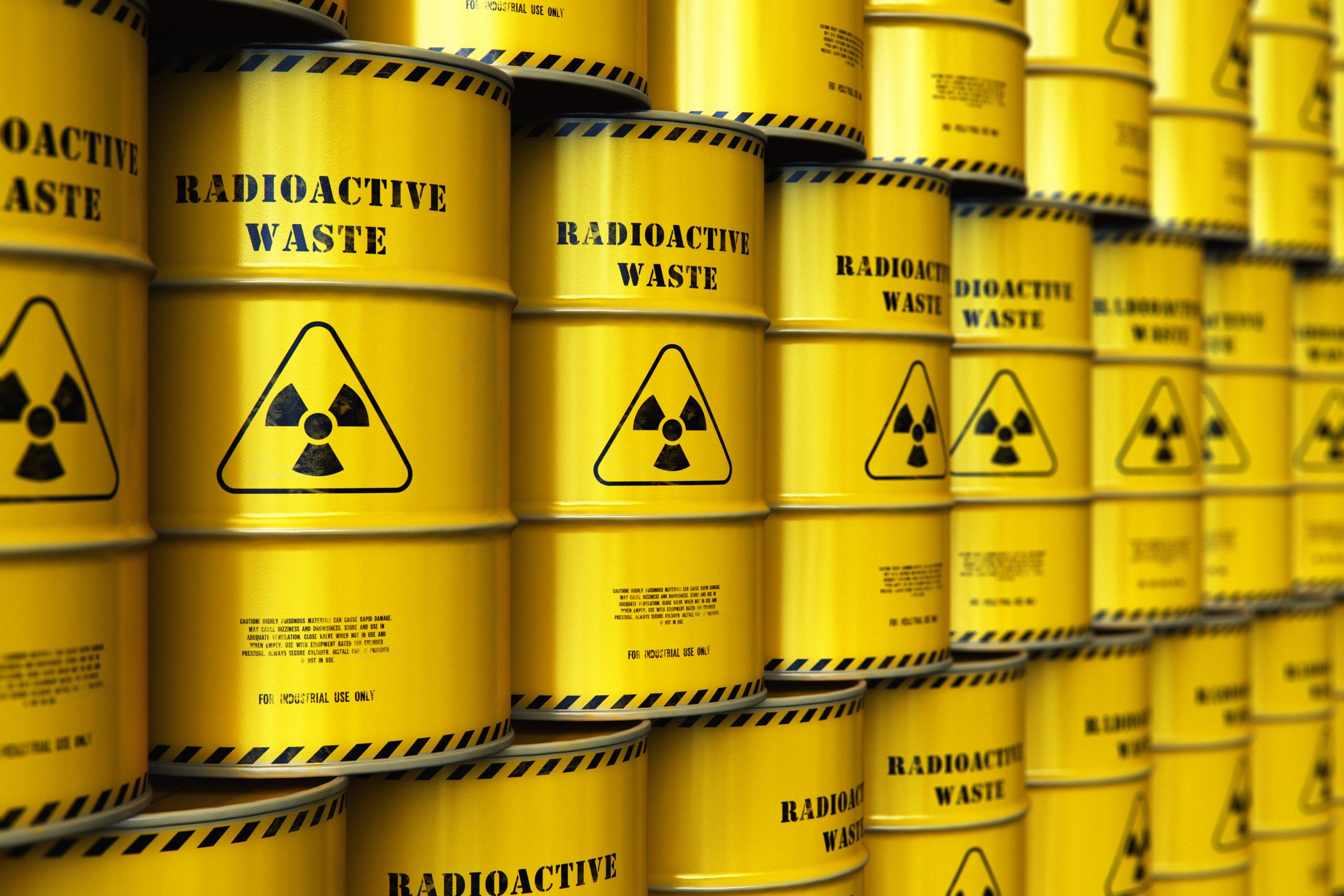
Proper storage is crucial before disposal. Hazardous waste must be kept in designated containers that are leak-proof, resistant to chemical reactions, and clearly labeled with warning signs. Transportation should also be handled by licensed professionals who follow strict safety protocols. -
Treatment and Disposal
Depending on the type of hazardous waste, it can be treated before disposal. This could include processes such as neutralization, incineration, or recycling. For example, electronic waste may be dismantled and its valuable parts recycled, while chemical waste may be treated to neutralize its toxicity before being disposed of in landfills. -
Documentation and Record Keeping
All hazardous waste disposal activities must be thoroughly documented. Records should include the type and amount of waste, transportation details, and disposal methods. These records are essential for legal compliance and environmental monitoring.
Best Practices for Safe Hazardous Waste Disposal
Adopting best practices ensures that hazardous waste is disposed of safely, legally, and in an environmentally responsible manner. Here are some tips:
-
Education and Training
Businesses must train employees on how to identify, handle, and dispose of hazardous materials. Providing proper education on safe disposal methods is vital in preventing accidents and maintaining a compliant environment. -
Reuse and Recycling
Where possible, businesses should consider reusing or recycling hazardous materials. Many chemicals and materials can be recycled, reducing the need for disposal and conserving natural resources. -
Labeling and Signage
Hazardous waste containers must be clearly labeled to prevent mishandling. Proper signage helps ensure that everyone involved is aware of the risks associated with the waste. -
Public Awareness
Public education campaigns are essential to inform residents about how to dispose of household hazardous waste properly. Many local governments provide special collection events for residents to drop off hazardous materials safely. -
Regular Audits and Inspections
Businesses should regularly audit their hazardous waste disposal practices to ensure they remain compliant with evolving laws and regulations. Inspections help identify any potential issues before they lead to violations or accidents.